
Dental Abscess: Signs, Causes, Treatment & When to Seek Care

A toothache that keeps you awake at night is never something to ignore. When pain comes with swelling, sensitivity, a bad taste, or fever, it may be more than a cavity. It could be a dental abscess, a pocket of pus caused by a bacterial infection.
A dental abscess can develop around the root of a tooth, in the gum, or in the bone that supports the tooth. It usually does not heal on its own. The pressure may ease for a while if the abscess drains, but the infection can remain and spread.
This guide from Growing Smiles Dental Clinic, Whitefield, Bangalore explains the common symptoms, causes, treatment options, and warning signs that need urgent dental care.
This article is for general information only. It is not a substitute for a dental examination, diagnosis, or personalised treatment plan.

What is a dental abscess?
A dental abscess is an infection that creates a pus-filled pocket in or around a tooth. Pus forms when the body tries to fight bacteria. The area can become painful because pressure builds inside the tissues.
There are three common types.
Periapical abscess
This forms at the tip of the tooth root. It often starts when decay, a crack, or trauma allows bacteria to enter the soft inner part of the tooth, called the pulp. The pulp contains nerves and blood vessels, so infection here can cause severe pain.
Periodontal abscess
This forms in the gum or supporting bone, usually linked to gum disease. Deep gum pockets can trap bacteria and food debris. Over time, infection may collect beside the tooth.
Gingival abscess
This affects the gum tissue and may be caused by something stuck in the gum, such as a popcorn husk, fish bone, or toothbrush bristle. It can look like a small painful swelling on the gum.
A dental abscess is not the same as ordinary tooth sensitivity. Sensitivity often comes and goes with cold drinks or brushing. An abscess usually causes deeper, more persistent pain and may come with swelling or illness.
Symptoms of a dental abscess
Symptoms can vary depending on the type and stage of infection. Some people have intense pain. Others may notice swelling first.
Common signs include:
Severe toothache that may feel throbbing or constant
Pain that spreads to the jaw, ear, temple, or neck
Swelling in the gum, cheek, or face
Tenderness when chewing or biting
Sensitivity to hot or cold food and drinks
A pimple-like bump on the gum
Bad breath or an unpleasant taste in the mouth
Pus discharge from the gum
Loose tooth or tooth feeling raised
Fever or tiredness
Swollen lymph nodes under the jaw or in the neck
Difficulty opening the mouth fully
Sometimes an abscess drains on its own. This may cause a sudden bad taste and temporary pain relief. That does not mean the infection has gone. The source of infection still needs treatment.
If swelling spreads to the face, eye area, jaw, or neck, seek urgent dental or medical care. Infections in the mouth can spread quickly.
In children, a dental abscess may show up as refusal to eat, disturbed sleep, crying while chewing, facial swelling, or a visible gum boil. Children may not always describe pain clearly, so any swelling near a tooth should be checked.

What causes a dental abscess?
A dental abscess develops when bacteria enter areas they should not reach. The mouth naturally contains bacteria, but problems begin when they move deep into the tooth, gum, or bone.
Untreated tooth decay
Tooth decay is one of the most common causes. A small cavity affects the enamel first. If not treated, it can reach the dentine and then the pulp. Once bacteria enter the pulp, infection can travel down the root and form an abscess.
This is why a “small cavity” can later become a painful emergency.
Cracked or broken teeth
A crack may allow bacteria to enter the inner layer of the tooth. Even a tiny crack can become a pathway for infection. Cracks may happen from biting hard foods, grinding teeth, accidents, or old large fillings.
Gum disease
Gum disease can cause the gums to pull away from teeth, creating pockets where bacteria collect. If these pockets become infected and blocked, a periodontal abscess may form.
Signs of gum disease can include bleeding gums, bad breath, gum recession, and loose teeth.
Failed or delayed dental treatment
A damaged filling, leaking crown, or untreated deep cavity can lead to infection. Teeth that have had previous trauma may also develop abscesses months or years later.
Impacted wisdom teeth
Wisdom teeth that are partly erupted can trap food and bacteria under the gum flap. This may cause infection, swelling, jaw pain, and difficulty opening the mouth.
Weakened immunity or uncontrolled health conditions
People with uncontrolled diabetes or reduced immunity may be more prone to infections and may heal more slowly. Good oral care and regular dental visits become even more important in such cases.
Food particles stuck in the gum
Sharp food fragments can injure the gum and cause localised infection. This is more common around back teeth, crowded teeth, and areas that are difficult to clean.
How dentists diagnose a dental abscess
A dentist will first ask about pain, swelling, fever, recent dental work, medical history, and when symptoms began. The examination may include checking the tooth, gums, bite, and nearby tissues.
Common checks may include:
Tapping the tooth gently to see if it is tender
Testing response to cold or heat
Checking gum pockets
Looking for swelling, pus, or a gum boil
Assessing whether the tooth is loose
Taking a dental X-ray if needed
An X-ray can help show infection around the tooth root, bone loss, hidden decay, impacted teeth, or the extent of the problem. In more serious cases, where swelling spreads or breathing is affected, hospital care may be needed.
A proper diagnosis matters because tooth pain can come from several causes, such as decay, gum disease, sinus pressure, jaw joint issues, or cracked teeth. Treatment depends on the source.

Treatment options for a dental abscess
The goal of treatment is to remove the infection, relieve pain, and save the tooth when possible. Painkillers or antibiotics alone usually do not solve the source of the infection.
Draining the abscess
If pus has collected, the dentist may drain it through a small opening. This can reduce pressure and pain. Drainage may be done through the gum or as part of root canal treatment, depending on where the abscess is located.
Drainage gives relief, but further treatment is often needed to stop the infection from returning.
Root canal treatment
If the infection has reached the pulp but the tooth can be saved, root canal treatment may be recommended. During this procedure, the infected pulp is removed, the canals are cleaned and shaped, and the space is filled and sealed.
A crown may be advised later, especially for back teeth, to restore strength and function.
Root canal treatment often has a reputation for being painful, but the aim is to relieve pain caused by infection. Modern techniques and local anaesthesia make the procedure more comfortable than many people expect.
Tooth extraction
If the tooth is badly damaged, cracked beyond repair, or has poor bone support, extraction may be the safest option. Removing the tooth also removes the source of infection.
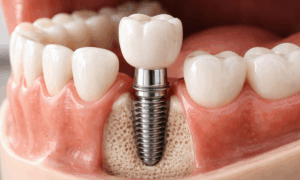
After healing, the dentist may discuss replacement options such as an implant, bridge, or denture, depending on suitability.
Treatment for gum abscess
For a periodontal abscess, treatment may include draining the infection, cleaning deep gum pockets, removing trapped debris, and treating gum disease. In some cases, further periodontal care is needed to protect the supporting bone and prevent recurrence.
Antibiotics
Antibiotics may be prescribed when infection has spread, swelling is present, fever develops, or the patient has certain medical risks. They may also be used when immediate dental treatment needs support.
Antibiotics should be taken only as advised by a dentist or doctor. Stopping early or using leftover medicines can make infections harder to treat.
Pain relief and home care while waiting for treatment
Home care can help manage discomfort for a short time, but it should not replace dental treatment.
You can:
Rinse gently with warm salt water
Brush carefully around the area
Use a cold compress on the outside of the cheek
Eat soft foods and avoid chewing on the painful side
Drink enough water
Take pain relief only as advised by a healthcare professional
Do not place aspirin directly on the gum or tooth. It can burn the soft tissue. Do not try to pop or cut an abscess at home.
When should you see a dentist?
See a dentist as soon as possible if tooth pain lasts more than a day, worsens, or comes with swelling. Early treatment can prevent the infection from spreading and may help save the tooth.
Seek urgent care if you have:
Facial swelling
Fever
Swelling under the jaw or in the neck
Difficulty swallowing
Difficulty breathing
Trouble opening the mouth
Severe pain that does not improve
A child with swelling near a tooth
A bad taste with pus discharge
A tooth that feels loose after pain or swelling
If breathing or swallowing is affected, do not wait for a routine dental appointment. Go to emergency medical care.
People in Whitefield and nearby areas of Bangalore often delay dental visits because the pain settles for a while. That pause can be misleading. Abscess pain may reduce when pus drains, but the infection can continue deeper in the tissues.
The safest step is to get the tooth examined and treated before it becomes an emergency.

How to reduce the risk of a dental abscess
Not every dental infection can be prevented, but many abscesses start from problems that are easier to treat early.
Good prevention includes:
Brush twice a day with fluoride toothpaste
Clean between teeth daily with floss or interdental brushes
Limit frequent sugary snacks and drinks
Rinse the mouth after sticky foods when brushing is not possible
Treat cavities before they become deep
Replace cracked, loose, or damaged fillings
Manage gum disease with regular dental care
Wear a mouthguard if you grind your teeth or play contact sports
Do not ignore bleeding gums
Schedule routine dental check-ups
For children, parents can watch for early signs such as dark spots on teeth, food getting stuck often, pain while chewing, or swelling near the gums. Baby teeth can also develop abscesses, and infection in baby teeth still needs proper care.
For adults, small warning signs matter. A tooth that hurts only when biting, a crown that feels high, or gums that bleed regularly can all point to problems that may worsen over time.
When to Seek Dental Care
A dental abscess should not be ignored, especially if you have swelling, persistent pain, fever, or pus around the tooth or gums. Early dental evaluation can help identify the source of the infection and determine the appropriate treatment. Experiencing symptoms of a dental abscess? Consult Growing Smiles Dental Clinic in Whitefield, Bangalore for timely dental care and treatment.


Comments