
How Pediatric Specialists Remove Dental Anxiety from Kids

Updated: 1 day ago
Dental anxiety can make a simple check-up feel like a mountain to climb for both kids and parents. We know how worrying it can be to see your child tense up at the thought of the dentist. At Growing Smiles Whitefield Bangalore, we take children’s dental anxiety seriously. By using gentle language, fun techniques, and appropriate behavioral guidance, we aim to help children feel more comfortable and build trust during dental visits. Read on to discover how a child-friendly approach can make dental visits feel more like play than a procedure.
What is dental anxiety, and how far can it go
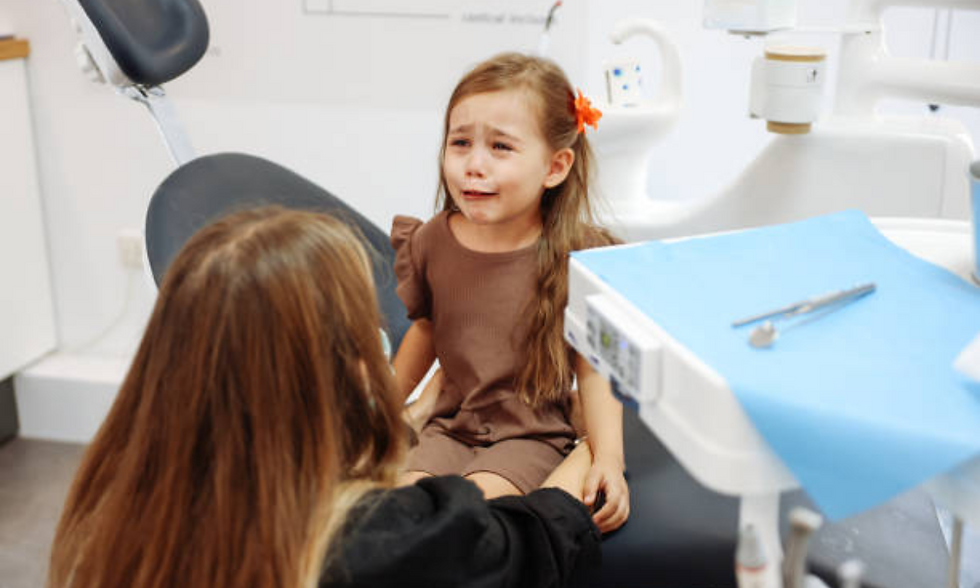
What is dental anxiety? It is an intense worry or fear related to dental visits or procedures, ranging from mild nervousness to a full-blown fear of the dentist (also known as dentophobia).
Children may experience heart racing, sweating, restlessness, or refusal to enter the clinic. Without addressing this, they may avoid dental care altogether. Managing these fears early is essential for healthy lifelong habits.
Why early anxiety management matters
Early intervention helps children develop positive associations with dental care, reducing long-term avoidance and ensuring better oral health through the years. As professionals, we focus on Oral hygiene education that’s fear-sensitive, ensuring kids grow up viewing dental visits as normal, not scary.
How phobia management works in pediatric dentistry

A pediatric dentist understands that children may respond differently to dental treatment depending on their age, personality, and previous experiences. Using age-appropriate behavioral guidance and clear, reassuring communication can help make dental visits more manageable for children who feel nervous or afraid.
Pediatric specialists use evidence-based behavioral strategies, often non-pharmacologic, to ease fears. Common techniques include:
Tell-Show-Do: Explain a tool or procedure in simple terms ("tell"), demonstrate it visually or tactually ("show"), then perform it ("do"), all in a friendly, unrushed manner.
Distraction techniques in pediatric dentistry: Using toys, videos, music, or games to gently shift a child's focus away from anxiety.
Positive reinforcement: Praising children, giving stickers, or offering small rewards for cooperation.
Parental presence: Allowing a parent to stay close for comfort and reassurance.
Interactive comparison: Phobia management strategies
Technique | Description | Benefit for Child |
Tell-Show-Do | Verbally explain, visually show, then kindly perform | Builds understanding and reduces fear of the unknown |
Distraction | Utilize cartoons, toys, stories, or music | Shifts attention and lowers anxiety during procedures |
Positive Reinforcement | Praise, stickers, small rewards | Encourages cooperation and makes visits fun |
Parental Presence | Letting a parent stay close | Offers emotional comfort and builds trust |
Example: Distraction in action
Consider 6-year-old Rhea, who was anxious about a filling. Instead of focusing on the drill, the dentist played her favorite cartoon and encouraged her to hold a soft toy. As a result, her focus shifted, her heart rate dropped, and the visit went smoothly, with a big smile at the end. Such distraction techniques in pediatric dentistry make a real difference.
Why are these methods trusted?
Evidence-based – Techniques like distraction and tell-show-do consistently reduce stress.
Non-pharmacologic – They avoid unnecessary sedation, making them safer for kids.
Developmentally appropriate – Approaches are adapted for each child’s age and personality.
Daily preparation at home for smoother visits
Read fun dental-themed books or play pretend-dentist with a toy.
Keep oral hygiene routines positive; make brushing a game with music or colourful brushes.
Visit the clinic beforehand just to meet the staff and look around, no procedures, just a friendly hello.
FAQ: What parents often ask
Q: Is dental anxiety the same as dentophobia?
A: Dental anxiety is the general feeling of nervousness or fear that many children experience before or during dental visits. Dentophobia, however, is a more severe and persistent fear of the dentist, where kids may completely avoid visiting clinics. Pediatric specialists in pediatric dentistry in Whitefield are trained to differentiate between the two and use gentle phobia management techniques to help children feel safe and supported.
Q: Is tell-show-do enough for most children?
A: The Tell-Show-Do method works effectively for many children, as it makes dental treatments more predictable and less intimidating. However, combining it with other methods like distraction techniques in pediatric dentistry, positive reinforcement, or even parental presence ensures a calmer experience. This layered approach helps reduce the fear of the dentist and builds trust with kids over time.
Q: Can sedation help if a child is very anxious?
A: In cases where a child has severe dental anxiety or dentophobia, sedation may be considered. However, pediatric specialists usually start with non-pharmacological methods like behavioral guidance, relaxation, and distraction techniques. Sedation is only used when necessary and always under safe supervision, ensuring that oral health care doesn’t feel overwhelming.
Q: How can parents help reduce dental anxiety at home?
A: Parents play a vital role in reducing fear of the dentist. Reading dental storybooks, practicing “open wide” games, and talking positively about dental visits help children feel more comfortable. Maintaining fun oral hygiene routines at home also builds familiarity with dental care, making the clinic experience less stressful. A supportive home environment is key to reducing anxiety.
Q: Does anxiety affect long-term oral health?
A: Yes. Dental anxiety may cause children to delay or avoid regular dental checkups, making it harder to identify tooth decay and other oral health concerns early. Missed visits can also mean missed opportunities for preventive care, such as fluoride treatments and dental sealants when appropriate. Gentle communication and early support can help children develop a more positive attitude toward dental visits.
Why Whitefield families trust us for anxiety-free care
At Growing Smiles Whitefield Bangalore, we understand the importance of a gentle, child-friendly approach to dental care. Parents looking for pediatric dentistry in Whitefield can discuss their child's dental anxiety and learn about techniques that may help make appointments more comfortable. A pediatric dentist can tailor communication and behavioral guidance to each child's needs and comfort level.
Quick tips to prep for a first visit
Schedule morning appointments when children are fresh and calm.
Bring along a favorite comfort toy or blanket.
Practice “open wide” at home in a fun way.
Inform the dentist about previous fears so the team can personalize the visit.
In Summary
Helping children feel comfortable at the dentist takes patience, empathy, and a child-friendly approach. Techniques such as Tell-Show-Do, distraction, positive reinforcement, and parental reassurance can help reduce fear and build trust over time. At Growing Smiles Whitefield Bangalore, we understand that every child responds differently to dental visits. A supportive, age-appropriate approach can help make dental care a more positive experience and encourage healthy oral hygiene habits as children grow.
Book a Child-Friendly Dental Consultation
Is your child nervous about visiting the dentist? Book a consultation with Growing Smiles Whitefield Bangalore to discuss your child's concerns and explore suitable approaches to making dental visits more comfortable. Our focus on pediatric dentistry helps parents understand how age-appropriate guidance can support their child's dental care experience.

Comments