
Dental Bonding: A Safe Solution for Chipped or Cracked Teeth

Chipped or cracked teeth can affect both the functionality and aesthetics of your smile. Fortunately, modern dentistry offers a range of solutions, and dental bonding is one of the most reliable and minimally invasive treatments available today. Whether caused by accidents, chewing hard foods, or teeth grinding, damage to teeth should be addressed promptly to prevent further complications.In this comprehensive guide, we will delve into what is dental bonding, understand the dental bonding process, explore how it compares to dental fillings, and evaluate how it supports cosmetic dentistry practices, particularly in areas like Whitefield, where dental innovations are rapidly advancing.
What is Dental Bonding?
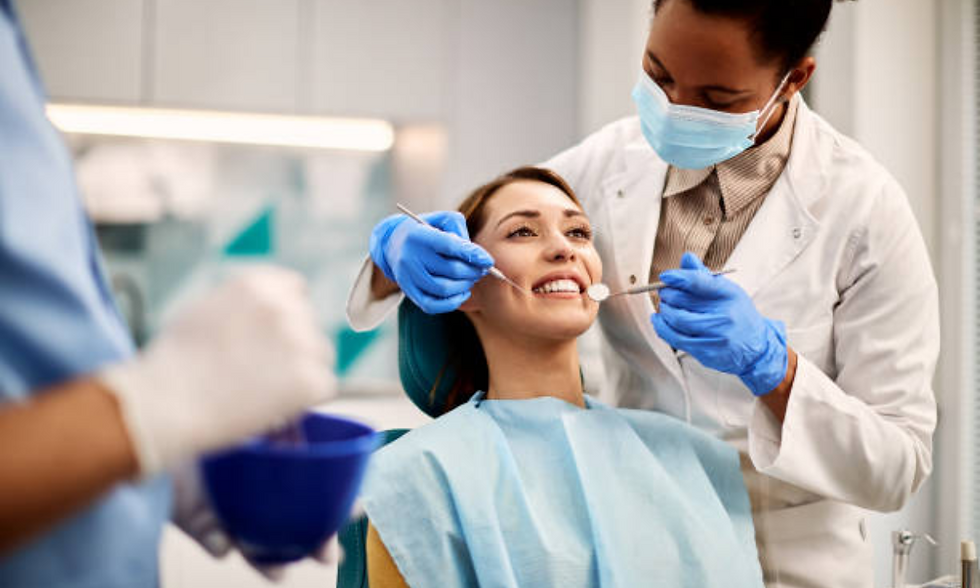
Dental bonding is a cosmetic dental procedure in which a tooth-colored resin material is applied to the teeth and hardened with a special light. This light “bonds” the material to the tooth to restore or improve a person’s smile.
This method is especially effective for:
Repairing chipped or cracked teeth
Closing gaps between teeth
Improving the appearance of discolored teeth
Making teeth look longer
Changing the shape of teeth
Protecting a portion of a tooth’s root that has been exposed
One of the main advantages of dental bonding is its non-invasive nature, making it a preferred option for minor dental corrections. Unlike veneers or crowns, which may require the removal of some tooth enamel, bonding usually preserves the natural tooth structure.
Understanding the Dental Bonding Process
The dental bonding process is generally quick and painless, often completed in a single visit. The steps typically include:
1. Shade Matching
Your dentist selects a resin color that closely matches the natural color of your teeth to ensure seamless integration.
2. Surface Preparation
The surface of the tooth is roughened slightly, and a conditioning liquid is applied. This step helps the bonding material adhere effectively.
3. Application of Composite Resin
The dentist applies the resin, molds it to the desired shape, and smooths it to match the natural contours of your teeth.
4. Curing with UV Light
A special light is used to harden the resin. Once cured, the material is further trimmed and polished for a natural appearance.
The entire dental bonding process takes about 30 to 60 minutes per tooth, depending on the complexity of the repair.
Dental Bonding vs. Dental Fillings
While both dental bonding and dental fillings use similar composite materials, their purposes differ. Dental fillings are primarily used to restore teeth affected by decay, whereas dental bonding is mostly cosmetic.
Key Differences:
Purpose: Fillings treat cavities; bonding improves appearance
Technique: Fillings require decay removal; bonding is minimally invasive
Aesthetics: Bonding is often more tailored for visual appeal
Some patients opt for bonding as a cosmetic alternative to amalgam (silver) fillings, especially on front-facing teeth. This enhances both functionality and appearance without compromising durability.
Silver Diamine Fluoride as a Complementary Treatment
In certain cases, silver diamine fluoride (SDF) is used alongside dental bonding, particularly when dealing with early decay or high-risk cavities. SDF is a liquid substance that helps stop the progression of tooth decay and is increasingly used in pediatric dentistry or patients with limited access to restorative care.
SDF is not a replacement for dental bonding, but when used together, they provide a preventive and restorative combination that ensures both the health and aesthetic of the tooth.
Advantages of Dental Bonding
There are several benefits to choosing dental bonding:
Minimally Invasive: No anesthesia required unless bonding is used to fill a cavity
Quick Procedure: Typically completed in one visit
Cost-Effective: More affordable than crowns or veneers
Aesthetic Enhancement: Improves the appearance of teeth and overall smile
Versatile: Effective for a wide range of minor dental imperfections
Limitations of Dental Bonding
Despite its many advantages, dental bonding does have a few limitations:
Durability: The composite resin is not as strong as crowns and may chip over time
Staining: More prone to discoloration from coffee, tea, and smoking
Lifespan: Typically lasts 3–10 years depending on oral hygiene and habits
Still, with proper care, the results of dental bonding can last many years and significantly improve both dental function and appearance.
Dental Bonding and Cosmetic Dentistry in Whitefield
As a growing hub for dental care, Cosmetic Dentistry in Whitefield has seen rapid adoption of dental bonding techniques. Clinics in the area are equipped with advanced technologies and highly skilled professionals offering customized cosmetic treatments tailored to individual patient needs.
Patients in Whitefield seeking smile makeovers increasingly prefer dental bonding for its affordability, minimal discomfort, and noticeable results. Whether it’s to fix a small chip or to enhance the symmetry of your teeth, bonding offers a simple yet effective solution.
Cosmetic dentists in this region also combine dental bonding with other services such as teeth whitening, veneers, and invisalign, creating a holistic approach to smile aesthetics.
Caring for Bonded Teeth
To ensure the longevity of your dental bonding, follow these care tips:
Avoid biting on hard objects like pens, ice, or fingernails
Maintain good oral hygiene—brush twice daily and floss regularly
Schedule routine dental check-ups and cleanings
Limit intake of staining substances such as red wine, tea, or coffee
Use a mouthguard if you grind your teeth at night
With these precautions, you can enjoy the functional and cosmetic benefits of dental bonding for years to come.
Conclusion: Trusting the Experts at Growing Smiles Dental Clinic
For those considering dental bonding or any form of cosmetic dentistry in Whitefield, Growing Smiles Dental Clinic stands out as a trusted name in personalized dental care. Known for its patient-focused approach and state-of-the-art technology, Growing Smiles offers a range of cosmetic treatments including dental bonding, dental fillings, and preventive options like silver diamine fluoride.
Their team of skilled dentists ensures that each patient receives tailored care—be it fixing a chipped tooth or enhancing the overall smile. As experts in cosmetic dentistry, they combine precision, artistry, and compassion, making Growing Smiles Dental Clinic a preferred destination for those seeking safe and effective solutions for chipped or cracked teeth.
If you're considering a cosmetic dental upgrade, or have questions like what is dental bonding, the specialists at Growing Smiles are ready to help guide you toward a healthier, more confident smile.


Comments