
Dental Crowns in Whitefield Bangalore When Do You Need One and How They Protect Teeth

A tooth can look small, but when it cracks, weakens, or loses structure after decay, it can affect how you chew, speak, and smile. In some cases, a simple filling is enough. In others, the tooth needs stronger support. That is where a dental crown may be recommended.
At Growing Smiles Whitefield Bangalore, many patients ask, “When do you need a dental crown?” The answer depends on the condition of the tooth, how much natural structure remains, your bite, and your overall oral health.
This guide explains what crowns do, when they may be needed, how the dental crown procedure works, and what to expect with dental crown aftercare.

What Is a Dental Crown?
A dental crown is a custom-made cap that covers the visible part of a tooth. It is shaped to look and function like a natural tooth. Once placed, it helps restore the tooth’s size, strength, shape, and chewing ability.
Crowns are often used when a tooth is too weak or damaged to be repaired with a filling alone. They can be made from different dental materials, and your dentist will suggest a suitable option based on where the tooth is located, how much force it takes while chewing, and your aesthetic needs.
A crown does not replace the root of your tooth. It protects and supports the tooth structure that remains above the gum line.
When Might You Need a Dental Crown?
Not every damaged tooth requires a crown. Some teeth can be treated with fillings, inlays, onlays, or other conservative options. A dentist must examine the tooth, take X-rays if needed, and assess the extent of the damage before recommending treatment.
That said, crowns are commonly advised in the following situations.
A tooth is significantly weakened by decay
When decay removes a large part of a tooth, a filling may not provide enough strength. A crown can cover the remaining structure and reduce the risk of further breakage.
A tooth is cracked or fractured
Small cracks may sometimes be managed without a crown. Deeper cracks, especially those causing pain while biting, may need the support of a crown. The aim is to hold the tooth together and reduce stress on the damaged area.
A tooth has a large existing filling
A heavily restored tooth may have more filling material than natural enamel and dentine. Over time, this can make the tooth more likely to fracture. A crown may be recommended to protect it.
A tooth has undergone root canal therapy
After root canal treatment, some teeth become more brittle, especially back teeth used for chewing. A crown may be advised to protect the tooth from fracture, depending on how much tooth structure remains.
A tooth is worn down
Teeth can wear down due to grinding, clenching, acid erosion, or long-term bite issues. If the wear is significant, crowns may help rebuild function and protect the teeth.
A dental implant needs restoration
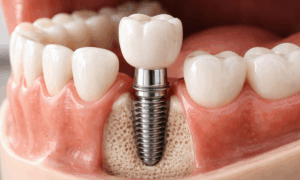
A crown is often placed on top of a dental implant to replace the visible part of a missing tooth.
These are common signs you may need a dental crown, but the final decision should always come after a clinical examination.
How Do Dental Crowns Protect Damaged Teeth?
One of the main benefits of dental crowns is support. A crown covers the tooth like a protective shell, helping distribute biting forces more evenly.
This can help with protecting damaged teeth in several ways:
It holds weakened tooth structure together
It reduces the risk of further cracking
It restores chewing function
It protects a tooth after root canal therapy when needed
It improves the shape of a broken or worn tooth
It can help maintain proper bite contact with opposing teeth
Think of a crown as reinforcement. It does not make a tooth indestructible, and it does not stop gum disease or decay if oral hygiene is poor. The tooth still needs daily care, regular check-ups, and healthy gums around it.
Crowns work best when the underlying tooth and surrounding tissues are stable. If a tooth has a severe fracture below the gum line, advanced infection, or poor bone support, other treatment options may be discussed.
What Happens During the Dental Crown Procedure?
The dental crown procedure is usually completed over one or more visits, depending on the clinical situation and the type of crown planned. Your dentist will explain the steps before starting.
Examination and treatment planning
The dentist first checks the tooth, surrounding gums, bite, and X-rays if needed. This helps decide whether a crown is suitable or whether another treatment is better.
If the tooth has deep decay, infection, or nerve involvement, root canal treatment may be needed before the crown.
Tooth preparation
The dentist reshapes the tooth so the crown can fit properly. The amount of reshaping depends on the tooth’s condition and the crown material.
Local anaesthesia is usually used when needed to keep the procedure comfortable.
Impression or scan
An impression or digital scan is taken to record the shape of your prepared tooth and bite. This is used to make a crown that fits your mouth.
Temporary crown
In many cases, a temporary crown is placed while the final crown is being made. This protects the prepared tooth and helps maintain appearance and function.
Temporary crowns are not as strong as final crowns, so it is wise to avoid sticky or very hard foods during this stage.
Final crown placement
Once the crown is ready, the dentist checks its fit, bite, and appearance. If everything is suitable, the crown is bonded or cemented into place.
You may need a short adjustment if the bite feels high or uneven. Do not ignore bite discomfort, as it can place excess pressure on the crown or tooth.

How to Care for a Dental Crown
Good dental crown aftercare helps protect both the crown and the natural tooth underneath. A crown covers the tooth, but the gum line and crown margins still need careful cleaning.
Follow these care tips:
Brush twice daily with a soft-bristled toothbrush
Clean between teeth every day using floss or interdental brushes
Avoid biting very hard objects such as ice, pens, or hard nutshells
Limit frequent sugary snacks and drinks
Wear a night guard if your dentist advises it for grinding or clenching
Visit your dentist for routine check-ups and professional cleaning
Report pain, looseness, swelling, or bite discomfort early
For the first few days after crown placement, mild sensitivity can occur, especially if the tooth was already irritated. This usually settles, but persistent pain should be checked.
If you have a temporary crown, take extra care while chewing. Avoid sticky foods that may pull it off. If it becomes loose, contact your dental clinic rather than trying to fix it yourself.
How Long Can a Dental Crown Last?
A dental crown can last for many years, but no crown lasts forever. Its lifespan varies from person to person.
Several factors can affect how long it remains healthy and functional:
Oral hygiene habits
Gum health
Grinding or clenching
Diet and chewing habits
Crown material and design
The amount of natural tooth structure left
Regular dental reviews
Control of decay risk
Crowns can fail due to decay at the edges, gum disease, fracture, bite problems, or cement breakdown. Regular check-ups help detect small issues before they become major problems.
A crown may look and feel stable, but the tooth underneath can still develop problems if plaque collects around the margins. This is why dental crown recovery and care should include long-term maintenance, not just care during the first week.
Are Dental Crowns Suitable for Everyone?
Crowns are useful, but they are not the right choice for every tooth or every patient. Your dentist will assess whether the tooth has enough structure to support a crown and whether the gums and bone around it are healthy.
A crown may not be suitable if:
The tooth is fractured too deeply
The tooth has poor gum or bone support
Decay extends far below the gum line
The bite pressure is severe and uncontrolled
Oral hygiene is poor and decay risk is high
Another option can preserve more natural tooth structure
Sometimes a filling, onlay, root canal treatment, gum treatment, or extraction followed by replacement may be more appropriate. The right choice depends on the diagnosis.
If someone is searching for dental crowns in Whitefield, Bangalore, the most useful first step is a proper dental assessment rather than choosing a crown based only on symptoms.
Frequently Asked Questions
When do you need a dental crown?
You may need a dental crown if a tooth is significantly weakened, cracked, heavily filled, worn down, or treated with root canal therapy. The need for a crown depends on the extent of damage and the dentist’s examination.
Is getting a dental crown painful?
The procedure is usually done with local anaesthesia when required. Some sensitivity or soreness may occur after treatment, but it should settle. If pain continues or worsens, contact your dentist.
Can a crowned tooth get decay?
Yes. The crown itself cannot decay, but the natural tooth at the edges of the crown can. Daily brushing, flossing, and regular dental check-ups are needed to protect the tooth.
Do all root canal-treated teeth need crowns?
Not always. Back teeth often need crowns after root canal treatment because they handle strong chewing forces. Front teeth may not always need them if enough tooth structure remains. Your dentist will decide based on the tooth’s strength and function.
What should I avoid after getting a crown?
Avoid chewing hard foods on the crowned tooth until your dentist confirms it is ready for normal use. If you have a temporary crown, avoid sticky foods and chew carefully. Long term, avoid biting hard objects and seek help if your bite feels uneven.
How do I choose the right crown option?
Your dentist will recommend a crown material based on the tooth location, bite forces, appearance needs, gum health, and tooth condition. A clinical examination is the safest way to decide.
Final Thoughts
Dental crowns can play an important role in restoring strength, comfort, and function when a tooth is too weak for a simple filling. They are often recommended for teeth that are cracked, heavily restored, significantly weakened, or treated with root canal therapy, depending on the clinical situation.
At the same time, not every damaged tooth needs a crown. A careful examination helps decide whether a crown, filling, onlay, or another treatment is the right option.
If you are noticing pain while biting, a cracked tooth, a large old filling, or concerns after root canal treatment, book a consultation with Growing Smiles Whitefield Bangalore. A dentist in Whitefield Bangalore can examine your tooth and guide you towards suitable, responsible care.


Comments